
Sobremesa with Fernanda Navarro
A conversation with the multidisciplinary designer behind some of my favorite hospitality projects

Welcome to Sobremesa, an interview series featuring some of the most creative people I know. Each conversation explores the stories, creative processes, and perspectives that inform the artist’s work.
In celebration of my birthday this week, I am running the biggest sale of the year to celebrate! From today through March 19th, upgrade to a paid subscription for 60% off the usual price. That is $2/month (less than your morning matcha) or $24 for the whole year. Best birthday gift you can give me!
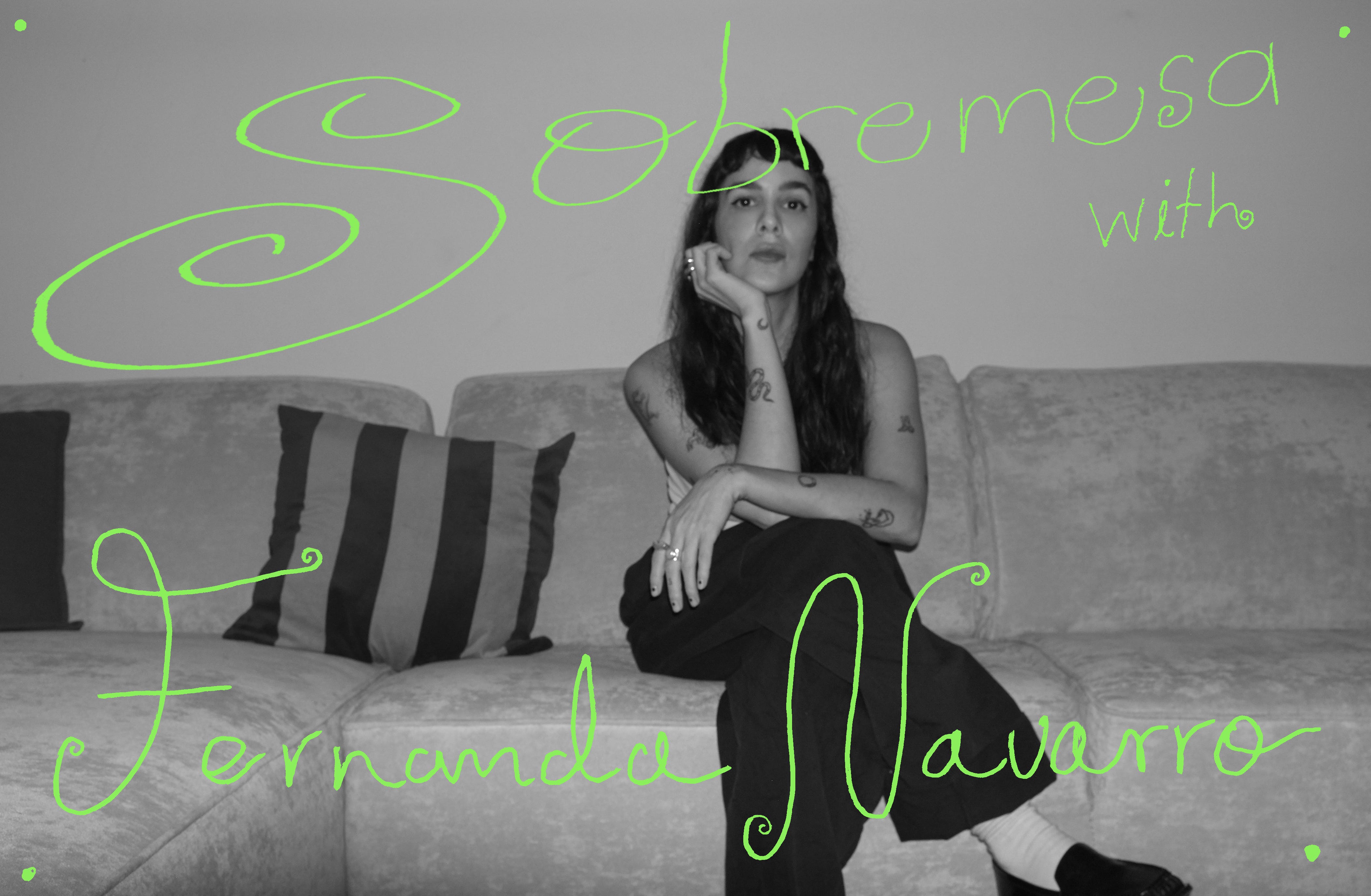
For this edition of Sobremesa, I am talking with Fernanda Navarro, the creative force behind some of my favorite hospitality projects in Mexico. To know her is to be inspired by her taste, sensibility, and magnetism. Today, she shares with us the behind-the-scenes of her creative process and some of the tools that have enabled her to build unique and successful brands in the past decade.
Meet the artist 🦪
My name is Fernanda Navarro. I’m a multidisciplinary designer from Ciudad Obregón, Sonora, Mexico. I work across creative direction, branding, interior design, and art curation, shaping brands and complete spaces from concept to experience.
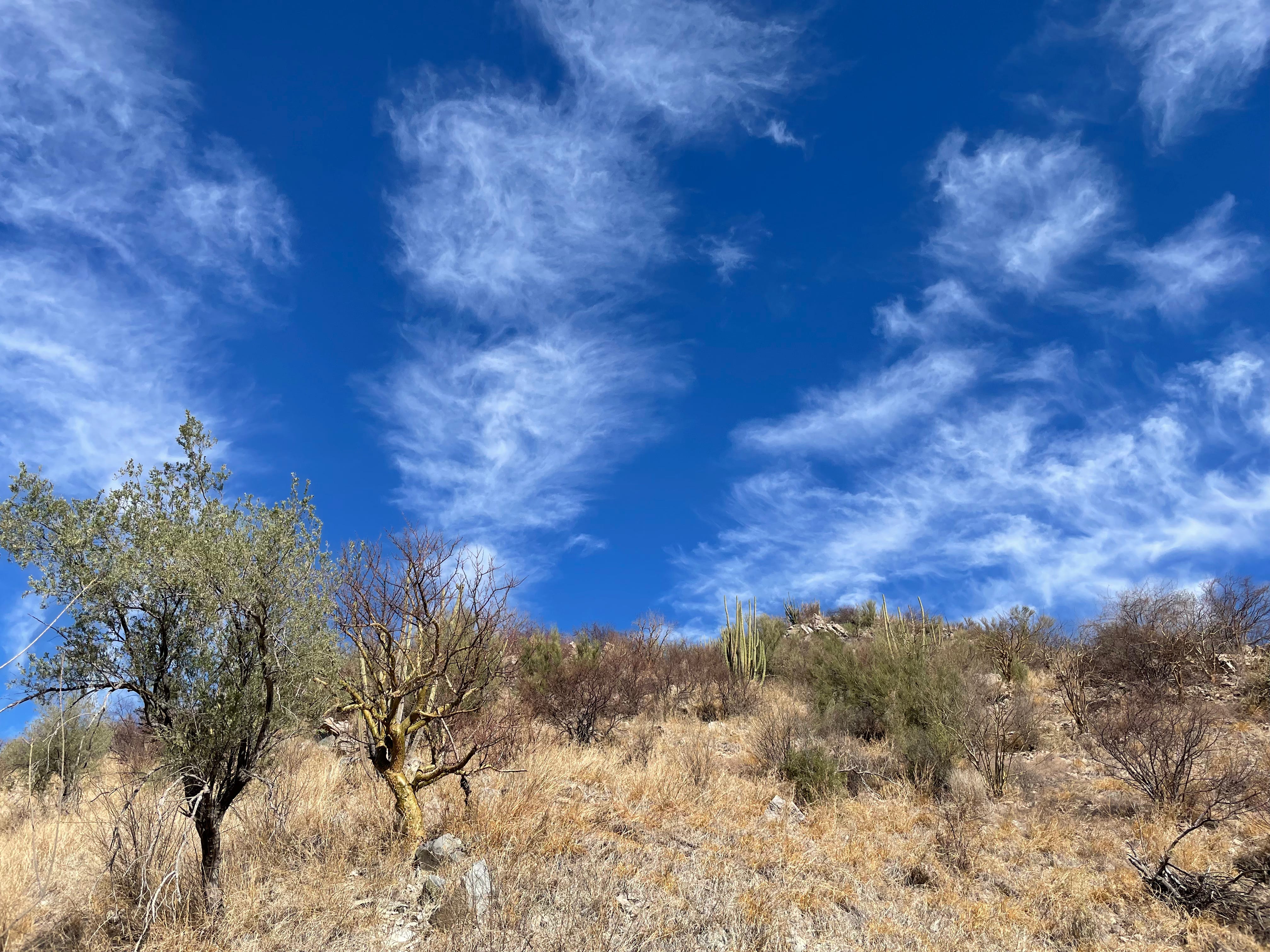
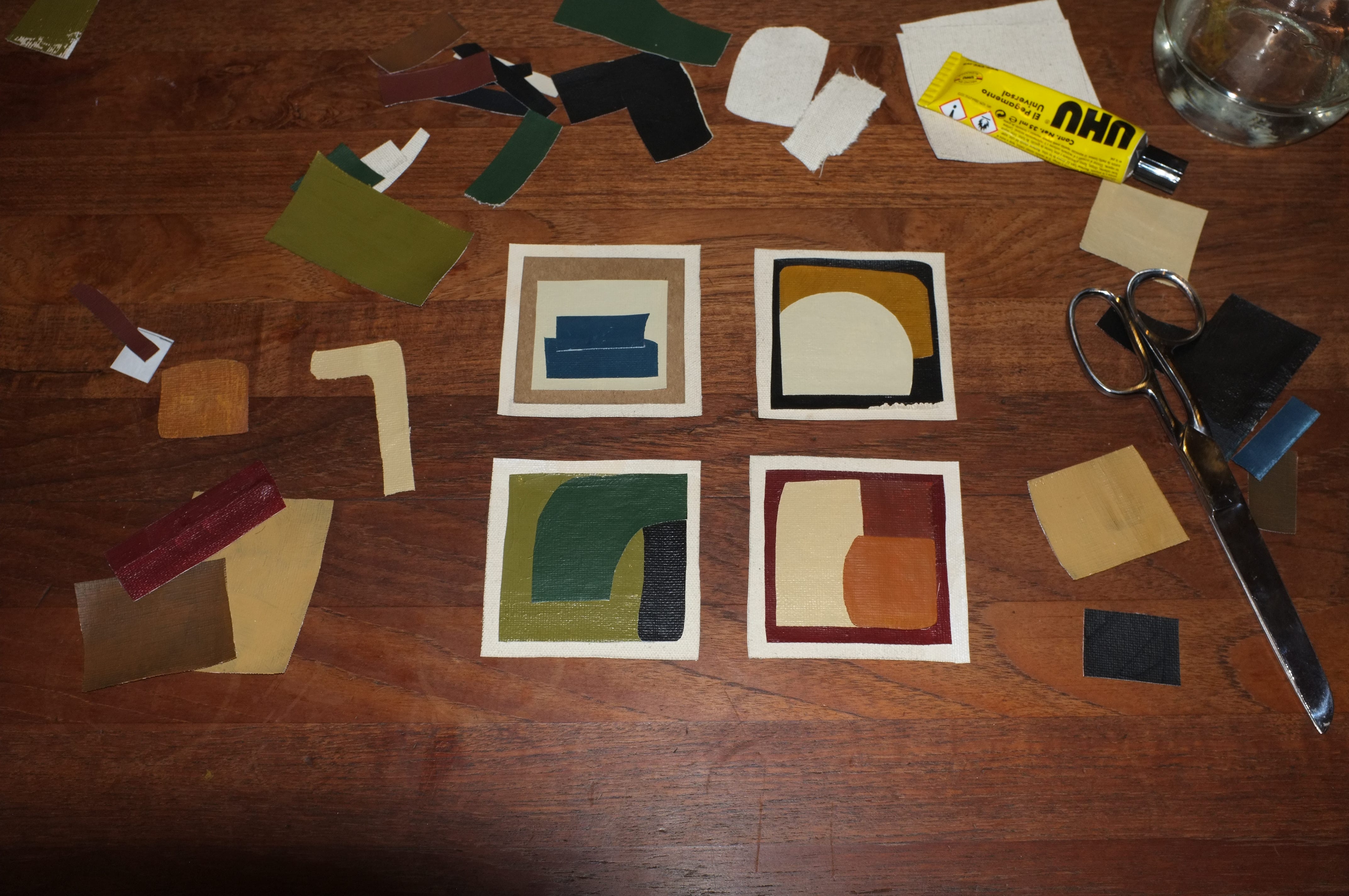
My work is genuinely inspired by the desert where I grew up and by everyday life — from cloudy skies to people who are unapologetically themselves. My process is intuitive and very mood-driven (I’m a Gemini). Lately, I’ve been intentionally returning to how I started: working through analog processes like photography, painting, and collage, as well as taking ceramic and sewing classes — letting ideas take shape physically before anything becomes digital.
For those discovering your work for the first time, how do you describe what you do, and how your roles as creative director, interior designer, and graphic designer inform one another?
I don’t experience my roles as separate disciplines. Graphic design, interior design, and creative direction are simply different languages to tell the same story.
I think in systems rather than outputs. A brand identity informs how a space feels; a space influences how people move, eat, and interact; and all of that feeds back into visual language.
Designing across disciplines allows me to create coherence — where nothing feels added on, and everything belongs to the same emotional world.
When designing a new space, where does the story usually begin for you: with the space, the food, the brand identity, or something else entirely?
I start by listening to the place, the city, the climate, the people involved, and the food, especially if it’s a restaurant project. I’m interested in spaces that feel inevitable, as if they could only exist there and nowhere else.
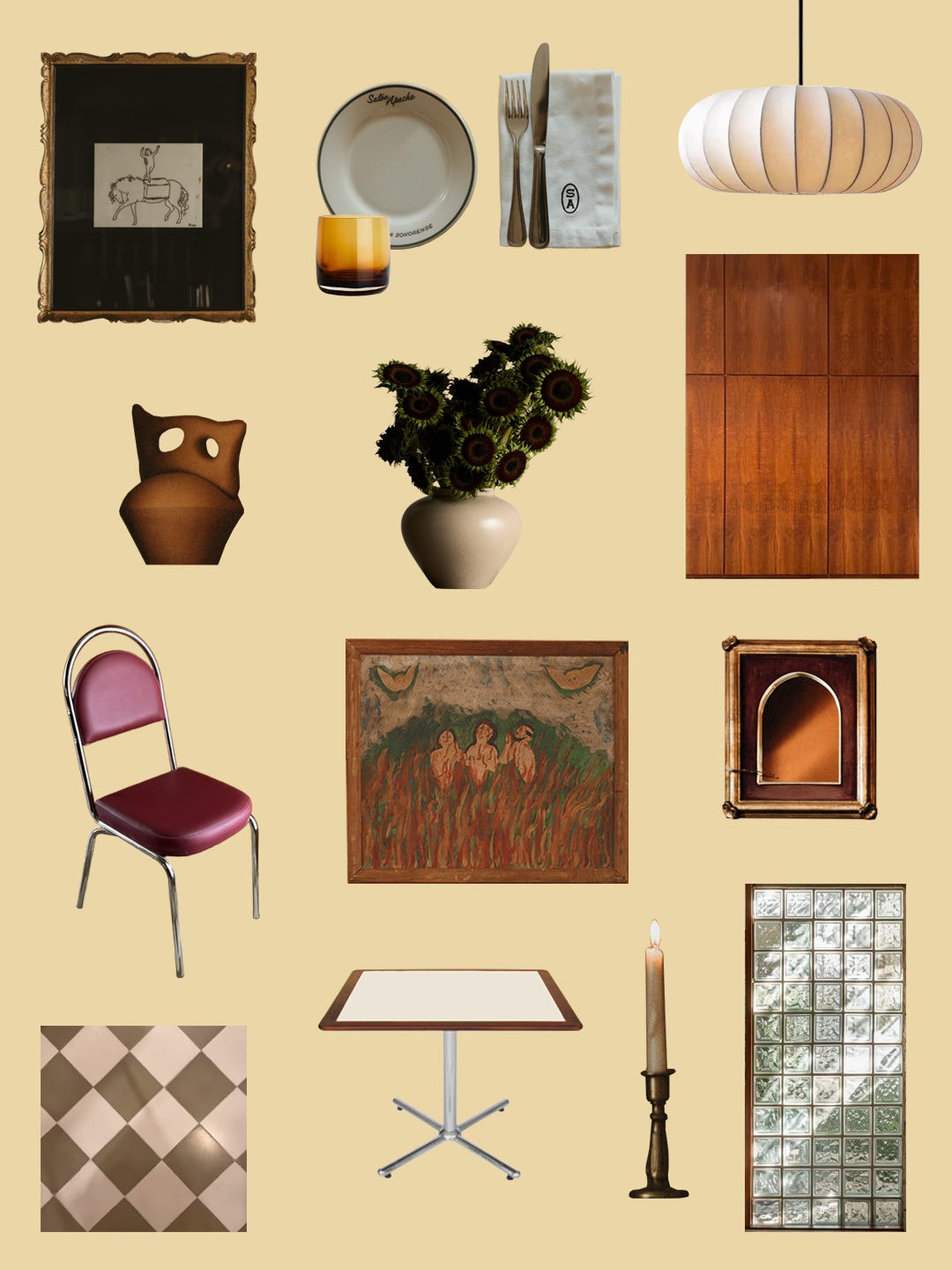
I do use private Pinterest mood boards as part of that early phase, not to define an aesthetic too quickly, but as a way of gathering references, textures, and atmospheres while I’m still observing and listening. The brand identity usually emerges from that process rather than being imposed.
What parts of the creative process energize you the most, and what aspects have challenged you or forced you to grow the most in the past decade, bringing ambitious projects like Humo&Sal and Salón Apache to life?
What energizes me the most is the early phase of the creative process, when things are still undefined and fragile — that moment when intuition leads before clarity appears.
I love sitting down to choose color palettes and textures, thinking about how a space or a brand should feel rather than how it should look. When working with interiors, art curation is one of my favorite parts of the process — selecting and placing pieces in a way that makes a space feel lived-in, personal, and unique. It’s where emotion and intention really come together for me.
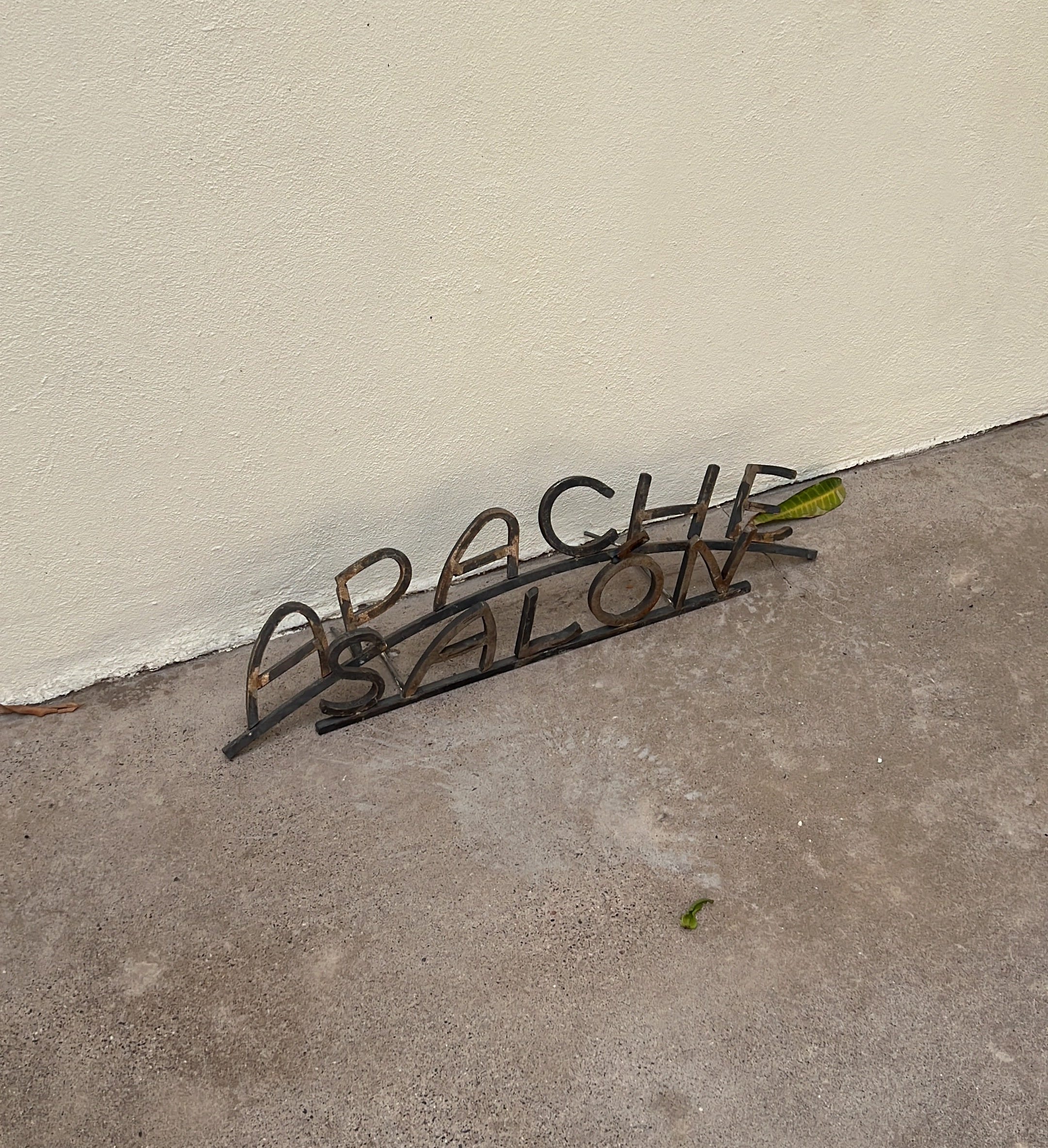
The biggest challenge has been learning to balance sensitivity with leadership. Bringing projects like Humo&Sal and Salón Apache to life meant stepping into roles beyond design: making decisions, taking responsibility, and trusting my own criteria even when it felt uncomfortable. Growth, for me, has come from understanding that creativity also requires structure, patience, and care — that intuition needs a framework in order to fully exist in the real world.
When you hit a creative block, what practices or rituals help you reset?
I pause work almost entirely and focus on taking care of my body — exercising, eating well, and returning to a slower rhythm. Rest, for me, isn’t something I earn after being productive; it’s what allows ideas to come back naturally.
This interview is part of Sobremesa, my series of intimate conversations with artists. Paid readers get full access to this interview and more than 60 pieces in the archive.
